

Cellular architecture engineered for load
We design synthetic bio-scaffolds using brutalist structural principles. Our matrices deliver micro-engineered physical stability for enterprise clinical research and tissue development.
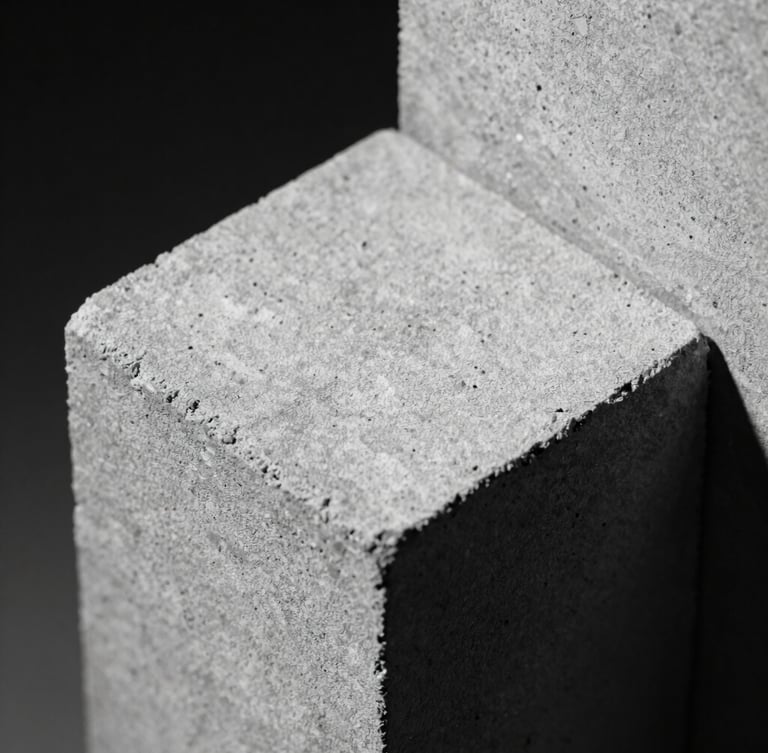
Micro-engineered structural stability
We replace unpredictable organic substrates with rigid biomimetic platforms. Every matrix is calculated to withstand dynamic physical loads, ensuring predictable cell adhesion and multi-lineage growth.
By translating brutalist civil engineering to the nanoscale, our platforms provide the physical foundation required for complex tissue engineering to scale reliably.
Peer-reviewed structural data
Our cellular matrices undergo rigorous mechanical testing in simulated physiological environments to validate load tolerances and cellular morphology under continuous dynamic perfusion.
Nanoscale Stress-Strain Analysis
Multi-Lineage Cellular Adhesion
A quantitative stress-strain study on the mechanical load limits of brutalist synthetic scaffolds compared to traditional organic collagen substrates.
Long-term empirical monitoring of stem cell differentiation and structural morphology on micro-engineered brutalist matrices under dynamic perfusion.
Architectural foundations for biology
Request custom matrix specifications and clinical-grade samples tailored to your specific tissue lineages and mechanical load requirements.